25 Jun 2026
The Connection Between Real-Time Exchanges and Funding Selections Among Users of Portable Number Draw Platforms
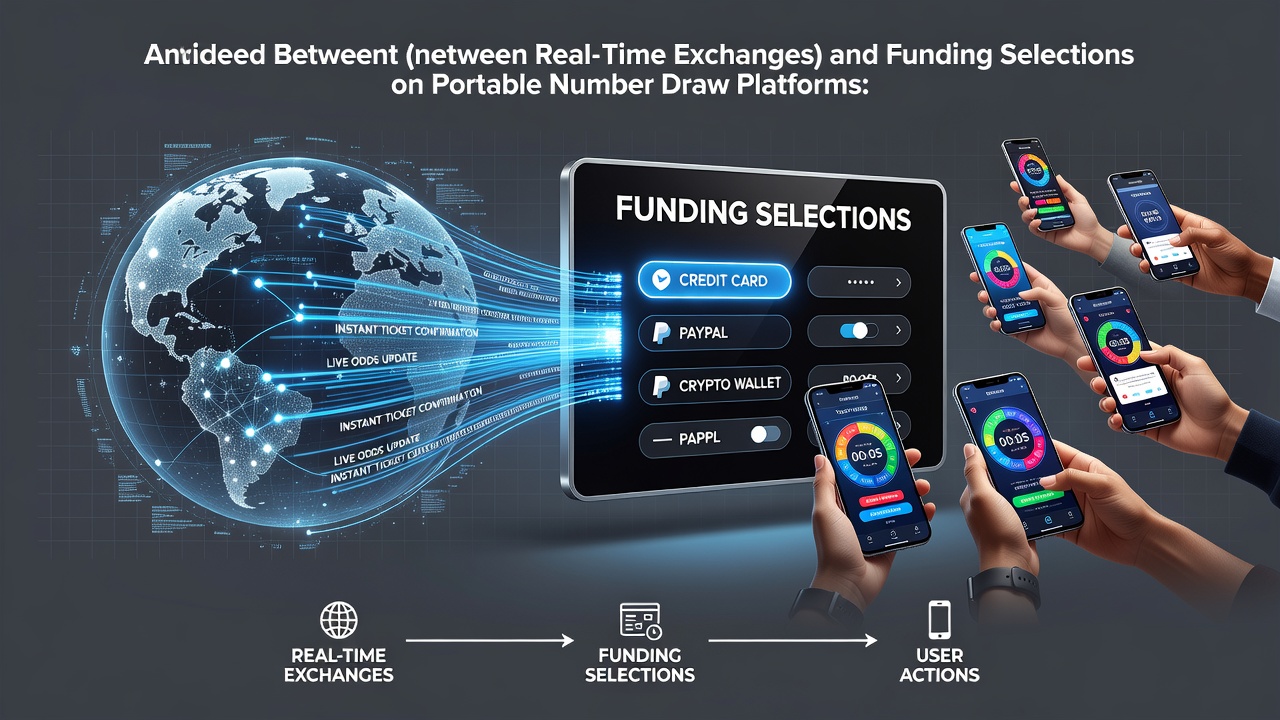
Portable number draw platforms have expanded rapidly in recent years, and real-time exchanges now sit at the center of how participants interact during sessions. These exchanges take the form of live chat features, instant messaging groups, and synchronized notifications that appear while users remain logged into mobile applications. Observers note that such features create ongoing conversations among players, and those conversations frequently touch on deposit methods, bonus triggers, and timing of fund transfers. Data from industry tracking services shows that sessions featuring active chat threads record higher volumes of funding activity compared with solitary play periods, although the exact mechanisms behind this pattern continue to attract research attention.
Mechanics of Real-Time Exchanges on Mobile Draw Platforms
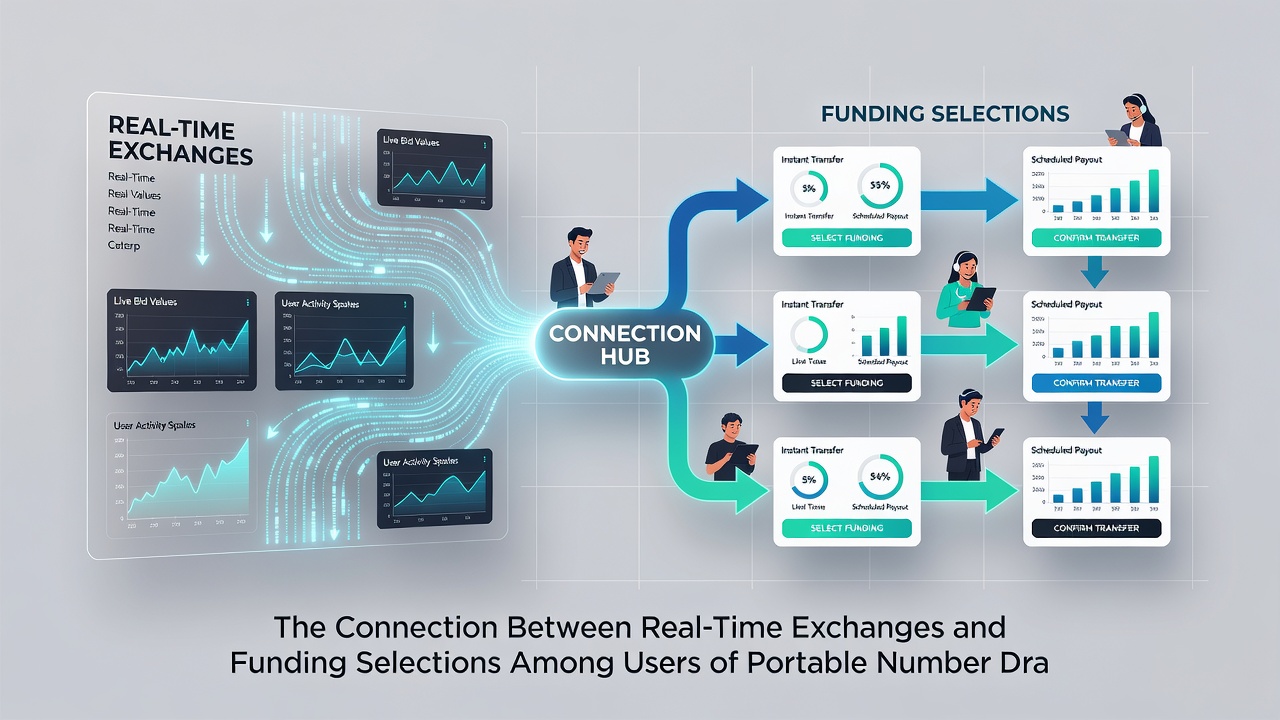
Real-time exchanges operate through integrated messaging layers that connect participants across geographic regions without requiring them to leave the main game screen. Users exchange messages about current draws, shared strategies for number selection, and occasional references to available payment gateways. Because the exchanges unfold in parallel with gameplay, they reduce the friction associated with switching between separate applications or browser tabs. Researchers at several technology institutes have documented that message frequency peaks during promotional windows, and those peaks coincide with increased taps on funding menus. The same studies reveal that shorter, more frequent exchanges tend to produce quicker decisions about deposit amounts than longer, threaded discussions.
Funding Selection Patterns Linked to Chat Activity
Funding selections encompass the choice of payment instrument, the size of each transfer, and the moment when a user authorizes the transaction. On portable platforms the most common instruments include digital wallets, bank transfers, and prepaid vouchers, each carrying distinct processing times and fee structures. Evidence collected from anonymized transaction logs indicates that users who participate in at least three chat exchanges per session select digital wallet options more often than users who remain silent. This pattern holds across both Android and iOS environments, although the magnitude of the difference varies by region. In markets where instant bank transfers are widely available, chat participants demonstrate a measurable shift toward those methods when peers mention successful transactions within the preceding ten minutes.
Regional Data and Developments Through Mid-2026
Figures released in June 2026 by regulatory bodies in several jurisdictions illustrate continued growth in mobile draw participation. The Gambling Regulatory Authority of Singapore reported that average session length on licensed platforms increased by 14 percent year-over-year, with chat-enabled titles accounting for the largest share of that increase. In parallel, the Nevada Gaming Control Board published aggregate data showing that funding events initiated inside chat-integrated applications rose by 9 percent during the first five months of the year. Canadian provincial regulators noted similar trends, although they attributed part of the rise to expanded availability of instant payment rails rather than chat alone. Academic papers examining European user cohorts have begun to isolate the contribution of peer messaging from promotional incentives, and early findings suggest the two factors interact rather than operate independently.
Platform Design Elements That Shape the Connection
Design choices such as persistent chat windows, push notifications for new messages, and visible deposit prompts within the same viewport strengthen the observed link between exchanges and funding selections. Platforms that surface peer transaction confirmations in real time record elevated click-through rates on funding buttons, according to internal metrics shared at industry conferences. Conversely, platforms that require users to exit the chat pane before accessing payment screens show lower conversion from conversation to deposit. Those who've studied interface analytics emphasize that the spatial proximity of chat and funding elements reduces cognitive load, thereby accelerating the decision sequence from discussion to transaction authorization.
Security and Compliance Considerations
Regulatory frameworks in multiple territories require operators to maintain audit trails that connect chat content with subsequent financial actions. Compliance teams therefore archive message logs alongside transaction records, enabling investigators to trace whether specific exchanges preceded unusual funding patterns. The approach supports both consumer protection objectives and anti-money-laundering protocols without restricting legitimate peer communication. Industry associations have issued guidance documents that encourage clear separation between promotional messaging from operators and organic exchanges among users, thereby preserving transparency while still allowing the social dynamics that appear to influence funding behavior.
Conclusion
Real-time exchanges on portable number draw platforms intersect with funding selections through a combination of interface design, peer influence, and regional payment infrastructure. Transaction data gathered through the first half of 2026 demonstrates measurable correlations, yet the strength of those correlations depends on specific platform features and local regulatory environments. Continued monitoring by oversight bodies and independent researchers will clarify whether the patterns observed thus far persist as mobile technologies and payment options continue to evolve.