28 Jun 2026
Seasonal Promotion Timelines Aligning With Activity Peaks Across Portable Number Draw Platforms
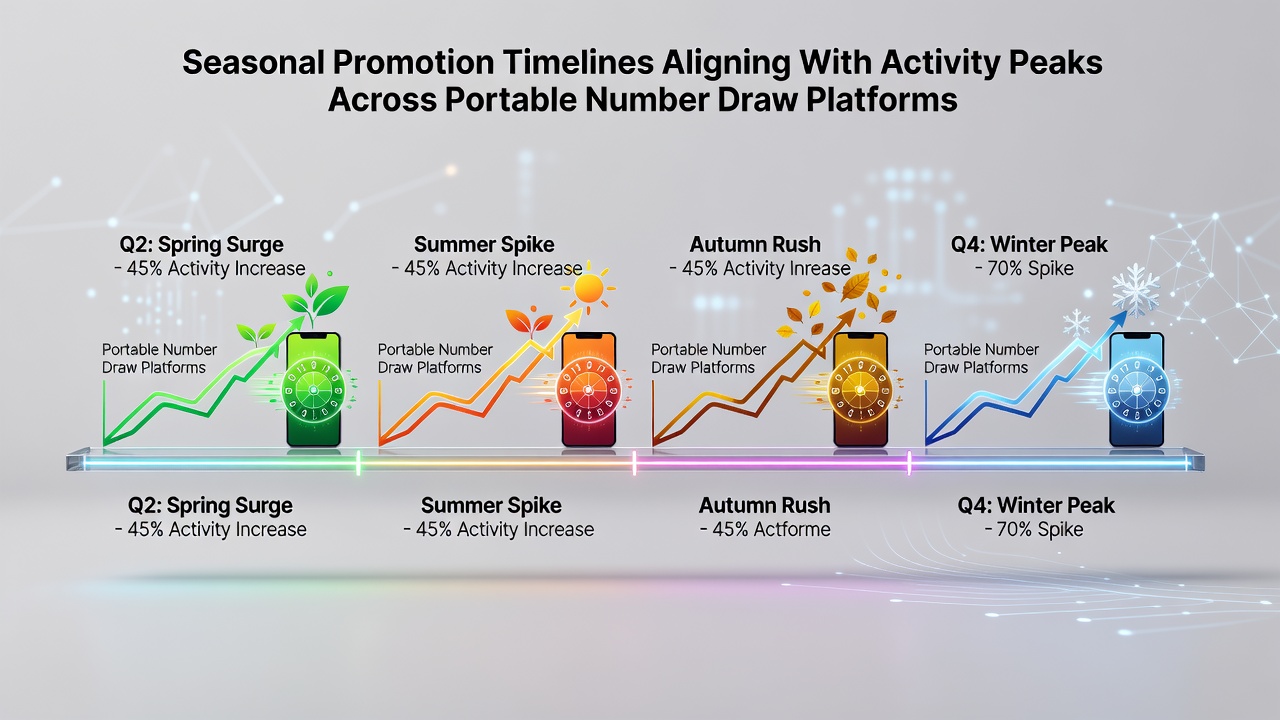
Portable number draw platforms experience distinct activity surges tied to calendar events, and operators adjust promotion schedules to match those windows. Data from multiple regions shows higher engagement during holiday periods, school breaks, and major sporting calendars, with June 2026 positioned as one such summer peak when mobile traffic traditionally climbs.
Mapping Activity Patterns Across Mobile Draw Platforms
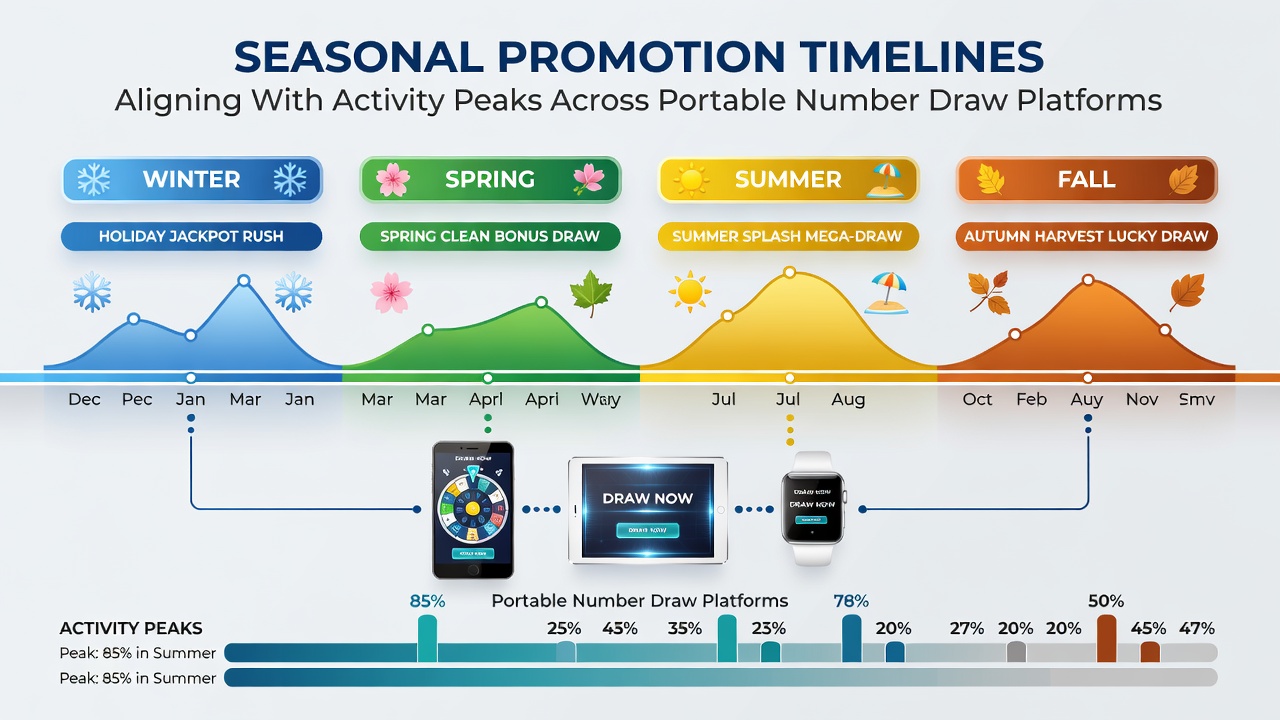
Researchers tracking user logs on portable bingo and lottery applications note recurring spikes that align with seasonal shifts. December through early January brings elevated participation around festive gatherings, while late spring and early summer months record another lift as school terms end and travel routines change. Observers note that June periods in particular demonstrate consistent growth in session lengths and repeat logins, prompting platforms to activate targeted offers during those weeks.
Activity peaks do not occur uniformly across all markets. Platforms serving North American users often see stronger summer engagement linked to vacation schedules, whereas European markets display additional spikes around national holidays and sporting tournaments. Those patterns emerge from aggregated session data released by industry groups such as the European Gaming and Betting Association, which compiles anonymized metrics from multiple operators.
Promotion Timing Strategies Employed by Operators
Operators structure bonus releases to coincide with documented high-traffic intervals rather than spreading campaigns evenly. Summer promotions in June frequently include deposit matches, free draws, and loyalty multipliers that activate automatically when user volumes rise. These offers run for fixed windows that match historical activity curves, allowing platforms to capture increased mobile logins without extending campaigns into slower periods.
One approach involves pre-loading promotional calendars months ahead. Teams review prior-year traffic reports, identify the weeks with the steepest growth, and schedule push notifications plus in-app banners accordingly. The process relies on automated systems that trigger once daily active users exceed set thresholds, ensuring offers reach players during natural engagement surges.
Regional Regulatory Influences on Campaign Windows
Regulatory frameworks in different jurisdictions shape how far in advance promotions can be advertised. In Ontario, iGaming operators must submit marketing plans to the Alcohol and Gaming Commission of Ontario before launch, which affects the lead time for June campaigns. Australian state regulators impose similar pre-approval steps for digital draw promotions, requiring operators to demonstrate that offers remain tied to verifiable activity data rather than arbitrary dates.
These requirements encourage operators to base timelines on measurable peaks rather than speculative forecasts. Platforms therefore maintain internal dashboards that compare current June metrics against multi-year averages, allowing quick adjustments if traffic deviates from expected patterns.
Technical Adaptations for Portable Environments
Mobile applications incorporate geolocation and time-zone detection to deliver promotions at optimal local hours. When June activity increases in one region, servers prioritize push messages for users in that timezone while holding back similar offers for quieter markets. This segmentation reduces notification fatigue and keeps engagement rates higher during the targeted windows.
Backend systems also track device types and connection speeds, since portable users often switch between Wi-Fi and mobile data during travel seasons. Promotions that require larger downloads activate only when stable connections are detected, preventing drop-off during peak summer travel periods.
Case Examples From Platform Data
One mid-sized European operator reported that its June 2025 mobile draw volume rose 28 percent above the annual monthly average after launching a limited-time loyalty ladder tied to consecutive daily logins. The same platform repeated a scaled version of the structure for June 2026, aligning start and end dates with school holiday calendars published by national education ministries.
North American operators have documented parallel results. A Canadian platform serving multiple provinces noted that summer promotions timed to provincial vacation schedules produced longer average session durations compared with campaigns run during shoulder months. Those findings appear in quarterly reports issued by the Responsible Gambling Council, which aggregates operator-submitted metrics.
Conclusion
Seasonal promotion timelines on portable number draw platforms follow measurable activity peaks rather than arbitrary schedules. Operators rely on historical traffic data, regulatory calendars, and automated delivery systems to match offers with periods of elevated mobile engagement. June 2026 stands among those recurring high-activity windows, prompting platforms across multiple regions to activate aligned campaigns during that month. Continued monitoring of session metrics allows adjustments that keep promotional windows synchronized with actual user behavior.