2 Jun 2026
Player Retention Tactics Through Tiered Reward Systems in Digital Number Draw Communities
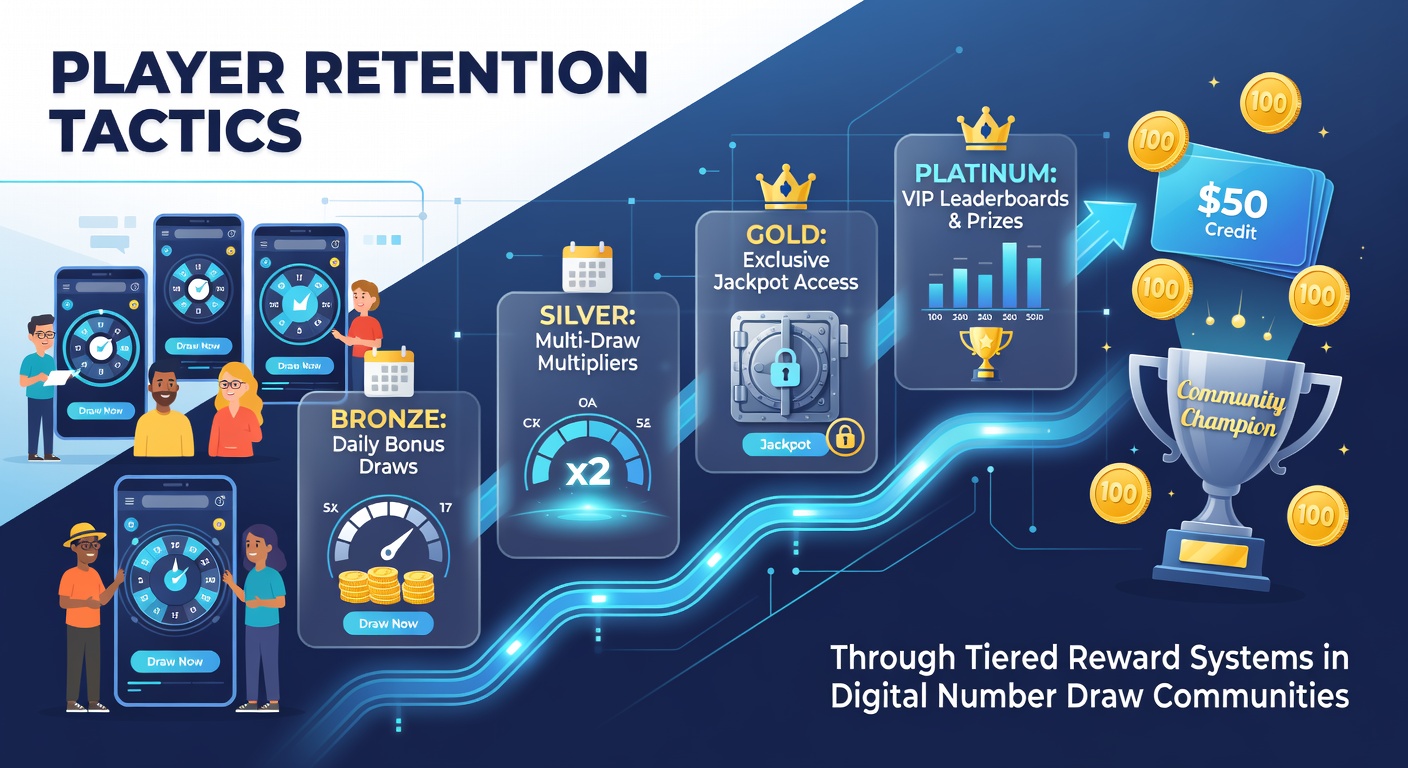
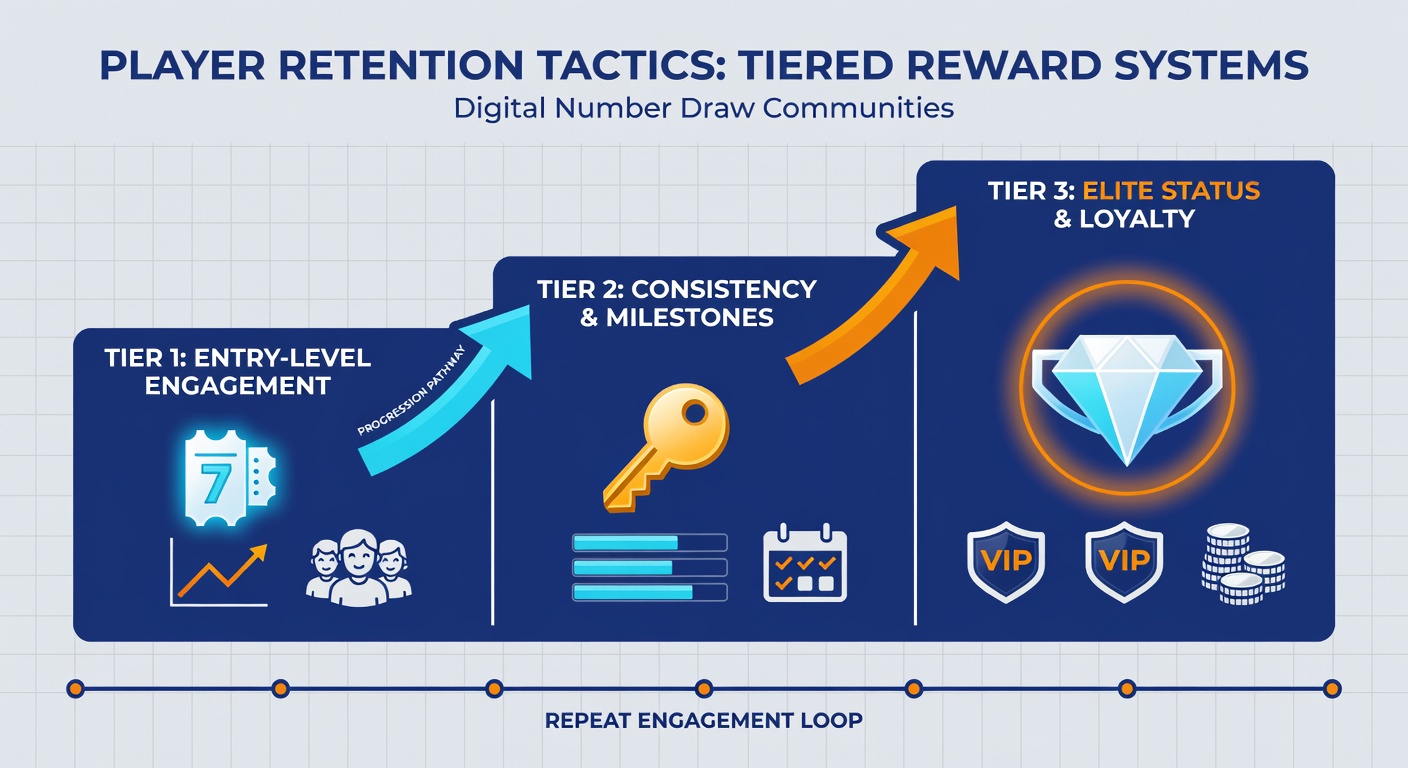
Digital number draw communities rely on structured progression systems to maintain consistent participation across platforms that feature bingo-style games and lottery draws, and operators have refined these approaches over the past decade to address fluctuating engagement patterns. Tiered reward frameworks typically divide players into levels such as entry, intermediate, advanced, and elite based on cumulative activity metrics including games played, total stakes, and session frequency, while rewards escalate accordingly with each advancement. These systems create clear pathways that encourage repeated visits since participants see tangible benefits tied directly to their ongoing involvement.
Core Mechanics of Tiered Progression
Entry-level tiers grant basic incentives like bonus credits on initial deposits or free draw entries after a set number of completed games, whereas higher tiers unlock premium features including priority access to high-stakes rooms, customized draw notifications, and accelerated point multipliers that compound over time. Progression thresholds often reset on monthly or quarterly cycles to sustain momentum, and data from platform analytics indicates that players who reach intermediate status within the first thirty days demonstrate retention rates up to forty percent higher than those who remain at entry level. Operators integrate automated tracking software that monitors real-time activity adn pushes tier advancement notifications through in-app messages or email summaries to keep the process transparent and motivating.
Implementation Across Global Platforms
Platforms operating in regulated markets such as those overseen by the Alcohol and Gaming Commission of Ontario have adopted tier structures that align with local compliance requirements, incorporating responsible play tools alongside reward escalations to balance retention goals with player protection standards. In Australia, several operators reference guidelines from the Victorian Responsible Gambling Foundation when designing loyalty mechanics, ensuring that point accumulation remains tied to verifiable play rather than deposit volume alone. European operators meanwhile experiment with hybrid models that combine tier benefits with seasonal events, particularly around major draw cycles in the summer months.
Retention Outcomes and Supporting Data
Research from industry monitoring groups shows that communities employing multi-tier reward systems experience lower churn compared to those offering flat bonuses, since the visible hierarchy fosters a sense of achievement that extends beyond individual game results. One analysis of North American platforms revealed that elite tier members accounted for over sixty percent of total platform revenue despite representing less than fifteen percent of active accounts, highlighting the concentration effect these structures produce. Participants in advanced tiers also report higher session lengths on average, as exclusive perks such as dedicated support channels and early entry to limited-time draws create additional reasons to return regularly.
Adjustments Observed in Mid-2026
By June 2026 several operators introduced dynamic tier adjustments that respond to broader market shifts, including integration with mobile-first interfaces and cross-platform tracking that follows users across desktop and app environments without resetting progress. Regulatory updates in multiple jurisdictions prompted refinements to reward disclosure practices, requiring clearer communication of tier requirements and expiration rules to maintain transparency. Observers note that platforms incorporating these changes maintained steadier participation curves during the traditionally slower summer period, when many communities historically saw dips in daily active users.
Supporting Elements That Strengthen Tier Systems
Successful implementations pair tier rewards with community features such as shared leaderboards and group challenges that allow players at similar levels to compete for collective bonuses, thereby adding social reinforcement to individual progression. Technical infrastructure supporting these systems includes secure APIs that update tier status instantaneously after each qualifying action, reducing friction that might otherwise discourage continued play. Educational resources embedded within the interface explain how specific actions accelerate advancement, helping newer participants understand the pathway without external guidance.
Conclusion
Tiered reward systems continue to evolve as operators refine metrics and benefit structures in response to participation trends and regulatory expectations across digital number draw communities. The combination of clear progression milestones, escalating incentives, and supporting tools has produced measurable improvements in retention metrics where these frameworks operate consistently. As platforms adapt to emerging technologies and regional requirements through 2026 and beyond, the core principle of linking sustained activity to graduated rewards remains a central tactic for maintaining engaged user bases.