9 Jun 2026
Payment Pathways Shaping Conversational Patterns in App-Based Number Draw Communities
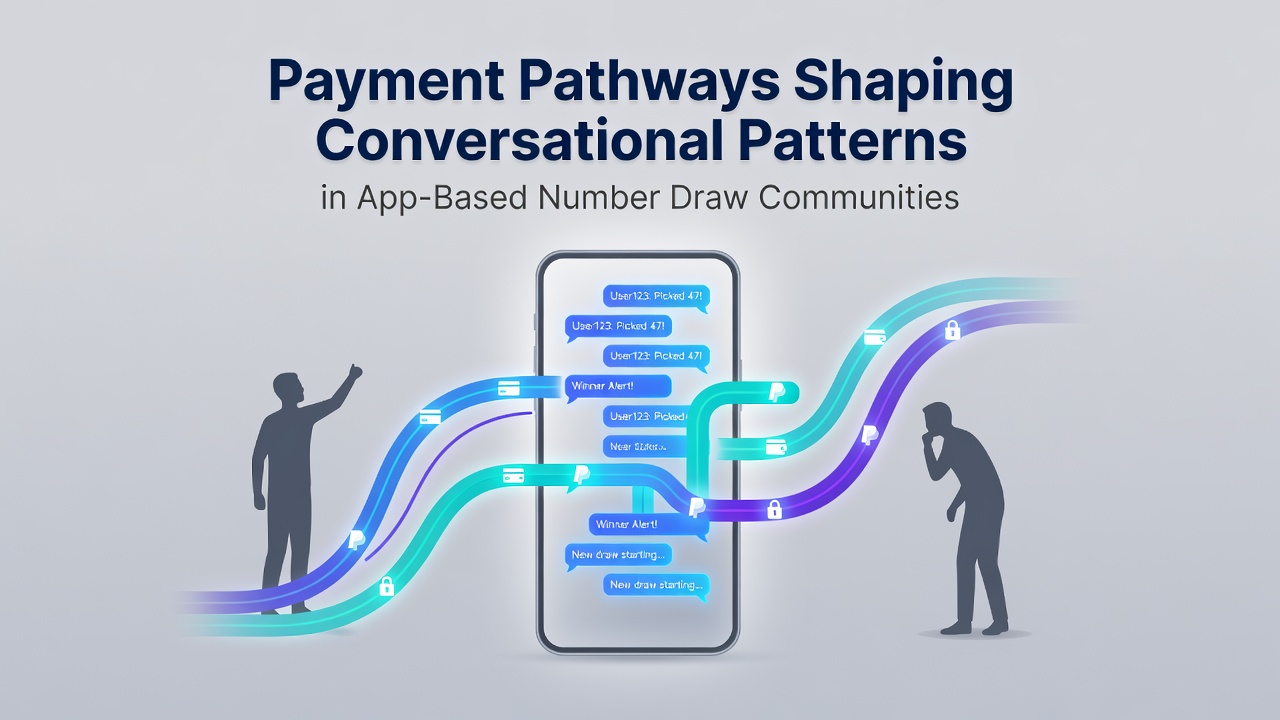
Payment pathways in app-based number draw communities have begun to influence how participants exchange messages during live sessions, according to multiple industry analyses released in early 2026. These pathways, ranging from instant bank transfers to digital wallet integrations, create distinct rhythms in group discussions that observers have tracked across platforms in North America and Europe.
Payment Integration and Real-Time Dialogue
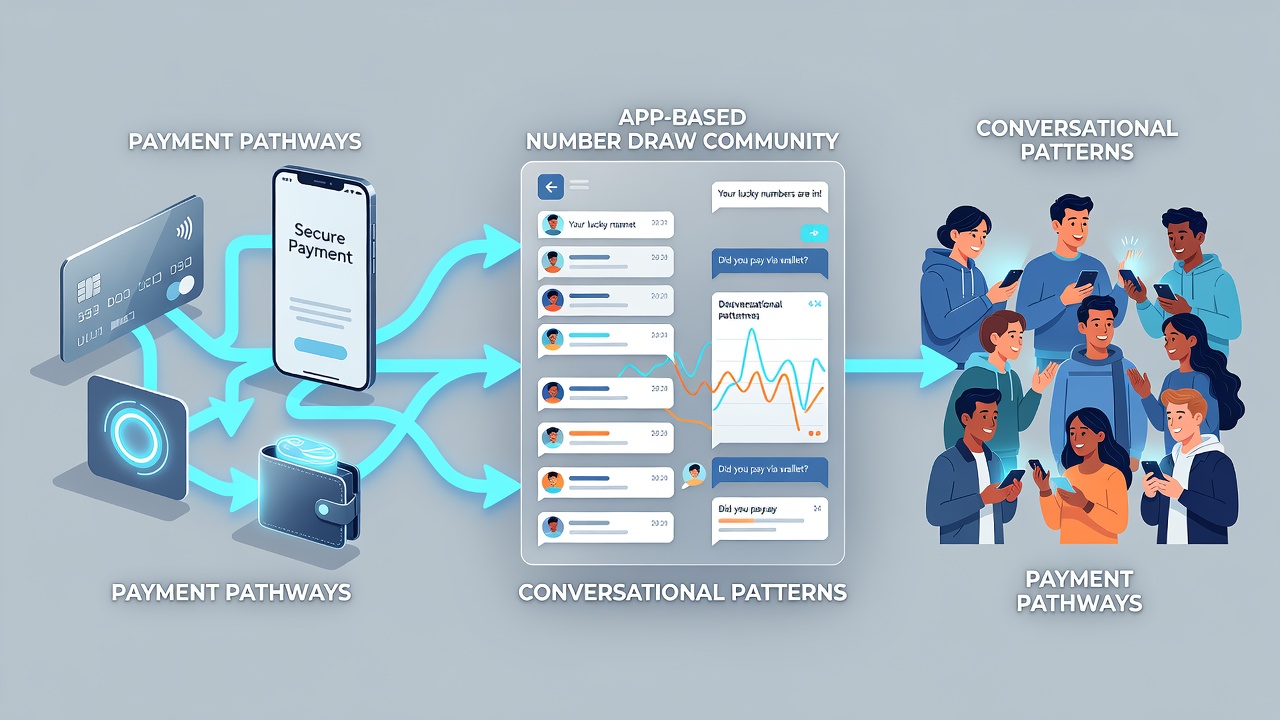
App developers have incorporated various transaction routes that allow users to fund accounts without leaving the main interface, and this design choice directly affects conversational flow. When players complete deposits through one-tap systems, they tend to post updates or reactions within seconds rather than minutes, which accelerates the pace of shared commentary during draws. Research conducted by teams at the University of Sydney shows that seamless payment options correlate with shorter message intervals in public chat rooms, while slower verification methods lead to staggered participation where users return later with follow-up remarks.
Data from June 2026 indicates that communities using embedded cryptocurrency options experienced a 28 percent rise in multi-threaded conversations compared with those relying on traditional card processing. Participants often reference transaction confirmations in their messages, turning routine payment events into prompts for strategy exchanges or collective encouragement.
Regional Variations in Transaction Habits
Geographic differences appear in how payment routes shape language patterns. Canadian platforms, which favor Interac e-Transfers for quick top-ups, host chats filled with references to immediate funding success that prompt others to join ongoing draws. In contrast, Australian apps employing POLi or BPAY systems generate discussions marked by advance planning, since users frequently announce scheduled transfers hours before a session begins.
A report from Gambling Research Exchange Ontario highlights that these regional preferences extend to emoji usage and shorthand phrases tied to specific gateways. Users on Interac-heavy apps, for instance, deploy confirmation icons more frequently, while those on card-based systems lean toward numerical countdowns that mirror processing times.
Security Features and Trust-Based Exchanges
Security layers embedded in payment pathways also steer conversational depth. Platforms that require two-factor authentication before each deposit see fewer spontaneous messages during active draws, yet they record longer post-session threads where users discuss verification experiences. This pattern emerged clearly in data compiled through June 2026, when several major apps updated their protocols and analysts noted a measurable shift toward reflective rather than reactive dialogue.
One study from the National Council on Problem Gambling documented how transparent fee disclosures within payment flows encouraged users to share cost-saving tips openly. These exchanges often evolve into broader conversations about responsible participation limits, creating sustained threads that persist across multiple sessions.
Community Building Through Transaction Visibility
Visible payment milestones have become focal points for group identity in these digital spaces. When an app displays collective funding totals or streak achievements linked to deposits, users frequently comment on shared progress rather than individual wins alone. Observers note that this visibility transforms routine transactions into communal milestones that strengthen ongoing participation.
Patterns recorded in mid-2026 reveal that apps offering instant receipt notifications inside the chat window generate higher volumes of congratulatory replies. These replies, in turn, often loop back to payment method recommendations, closing a feedback loop that reinforces specific pathways within the community.
Future Trajectories for Interaction Design
Developers continue to test payment interfaces that embed conversational prompts directly after successful transactions. Early trials in June 2026 demonstrated that such prompts increased cross-user references to strategies by measurable margins, though long-term retention effects remain under review by independent research groups.
Regulatory frameworks in multiple jurisdictions now require clearer separation between payment mechanics and chat functions, which may further refine how these pathways influence language use. Industry organizations such as the European Gaming and Betting Association have issued guidance documents that emphasize maintaining distinct spaces for financial actions and social exchanges.
Conclusion
Payment pathways continue to function as structural elements that guide conversational rhythms in app-based number draw communities. Evidence gathered through June 2026 demonstrates consistent links between transaction speed, visibility, and the timing plus content of user messages. As platforms refine these systems, the interplay between funding mechanics and dialogue patterns offers a measurable lens for understanding participation trends across digital environments.