16 Jul 2026
Mapping Incentive Designs Against Community Bonds in Mobile Number Draw Applications

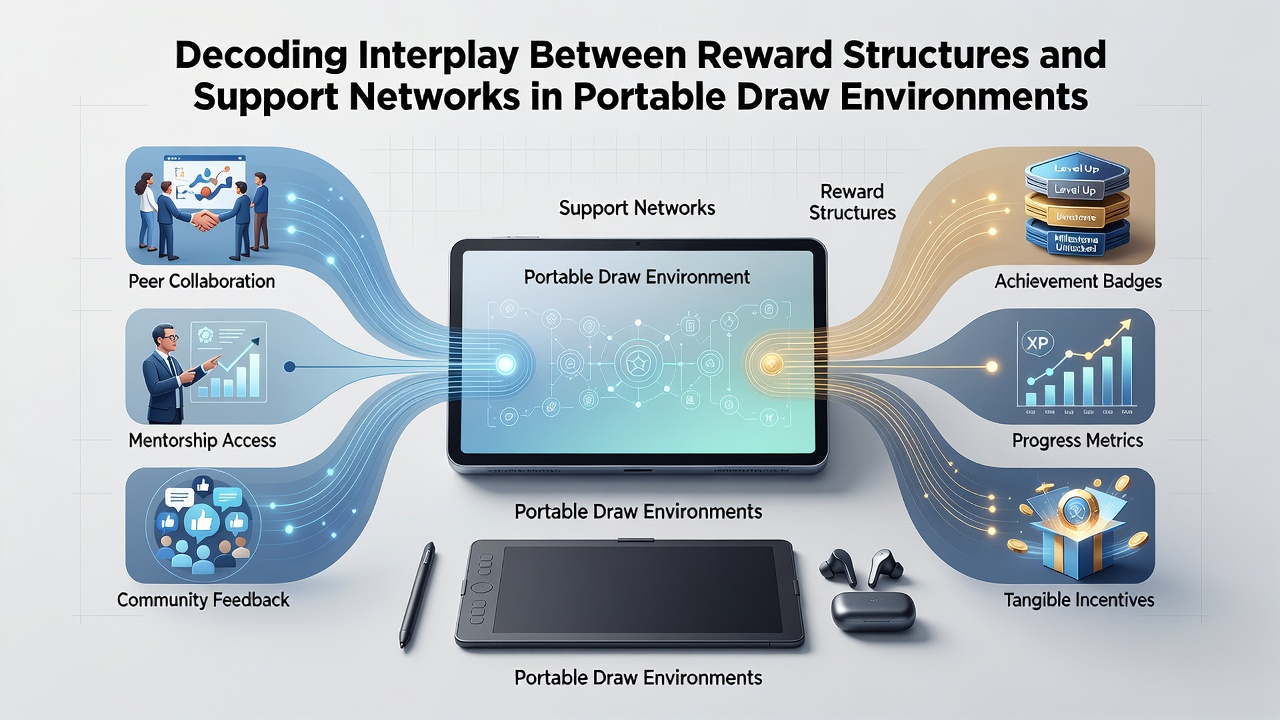
Portable draw environments rely on layered incentive programs that range from tiered loyalty points to time-limited multipliers, while support networks emerge through in-app chat rooms, friend lists, and shared group challenges. Researchers tracking user data across multiple platforms note that these two elements often reinforce each other rather than operate independently, creating feedback loops where rewards encourage repeated logins and social features sustain longer session times.
Core Components of Reward Structures
Modern mobile draw applications deploy several distinct reward layers that include daily login bonuses, streak multipliers, and milestone-based cashback offers. Data collected from operator dashboards during the first half of 2026 shows that players who receive personalized reward notifications complete an average of 3.2 additional rounds per session compared with those who receive generic promotions. These systems frequently incorporate progressive elements where accumulated points unlock higher-value draws, and the mechanics become visible through real-time progress bars that update after each completed game.
Operators adjust reward frequency and value based on regional regulatory requirements, with some jurisdictions mandating clear disclosure of odds and payout percentages before any bonus activates. In July 2026 several North American platforms introduced mandatory cool-down timers on high-value rewards to align with updated responsible gaming standards issued by state oversight bodies.
Formation and Function of Support Networks
Support networks within these applications develop through persistent chat channels, private messaging groups, and collaborative room features where multiple participants contribute toward shared targets. Usage statistics released by platform analytics firms indicate that groups exceeding eight active members generate 47 percent more daily messages than smaller clusters, and message volume correlates directly with retention rates over 90-day windows. Participants exchange information about optimal claim timing, upcoming promotional windows, and technical troubleshooting steps, which reduces individual drop-off during periods of low personal wins.
Network strength also appears in off-platform connections that begin inside the application. Observers studying anonymized user cohorts report that roughly one in five sustained chat relationships transition to external messaging apps within the first month, extending engagement beyond the original draw environment.
Interplay Patterns Observed in Live Data
Analyses of combined reward and chat datasets reveal that players who both claim tiered rewards and participate in group discussions maintain accounts active 2.8 times longer than those who engage with only one feature set. The relationship becomes measurable when reward notifications trigger immediate chat activity, such as users posting screenshots of new multipliers and receiving congratulatory responses that encourage further participation. Platforms that surface shared reward progress within group views record higher completion rates for collective challenges.
Geographic differences emerge when comparing markets. European operators subject to stricter bonus advertising rules tend to embed reward information inside community feeds rather than push notifications, whereas Australian platforms more often link reward unlocks directly to group milestones. These variations produce distinct network densities, with data from the Gambling Research Exchange Ontario showing denser chat clusters in regions that tie rewards to collective activity.
Measurement Approaches Used by Platform Teams
Operators employ cohort analysis and A/B testing to quantify how specific reward types influence network formation. One documented experiment split users into groups receiving either individual or group-attributed bonuses over a six-week period, after which the group-attributed cohort demonstrated a 31 percent increase in cross-player messaging. Metrics tracked include message frequency per reward claim, average time between reward receipt and first chat post, and network size growth following promotional events. These measurements help teams refine the placement of reward announcements so they appear inside active conversations rather than as separate pop-ups.
Regulatory Context and Platform Adjustments
Regulatory bodies in multiple jurisdictions now require operators to separate reward mechanics from social features in user-facing documentation. The National Council on Problem Gambling published updated guidelines in early 2026 that recommend clear labeling of reward eligibility criteria within community interfaces. Platforms have responded by adding toggles that allow users to mute reward-related chat messages while still participating in general discussions, thereby preserving network utility without mandatory exposure to promotional content.
Conclusion
Available platform data and regulatory records demonstrate measurable connections between structured reward programs and the development of support networks in portable draw environments. Continued monitoring through cohort studies and regional comparisons provides operators with concrete figures that guide interface adjustments while satisfying oversight requirements across different markets.