25 Aug 2026
Interface Tweaks Reshaping Exchanges in Portable Number Games
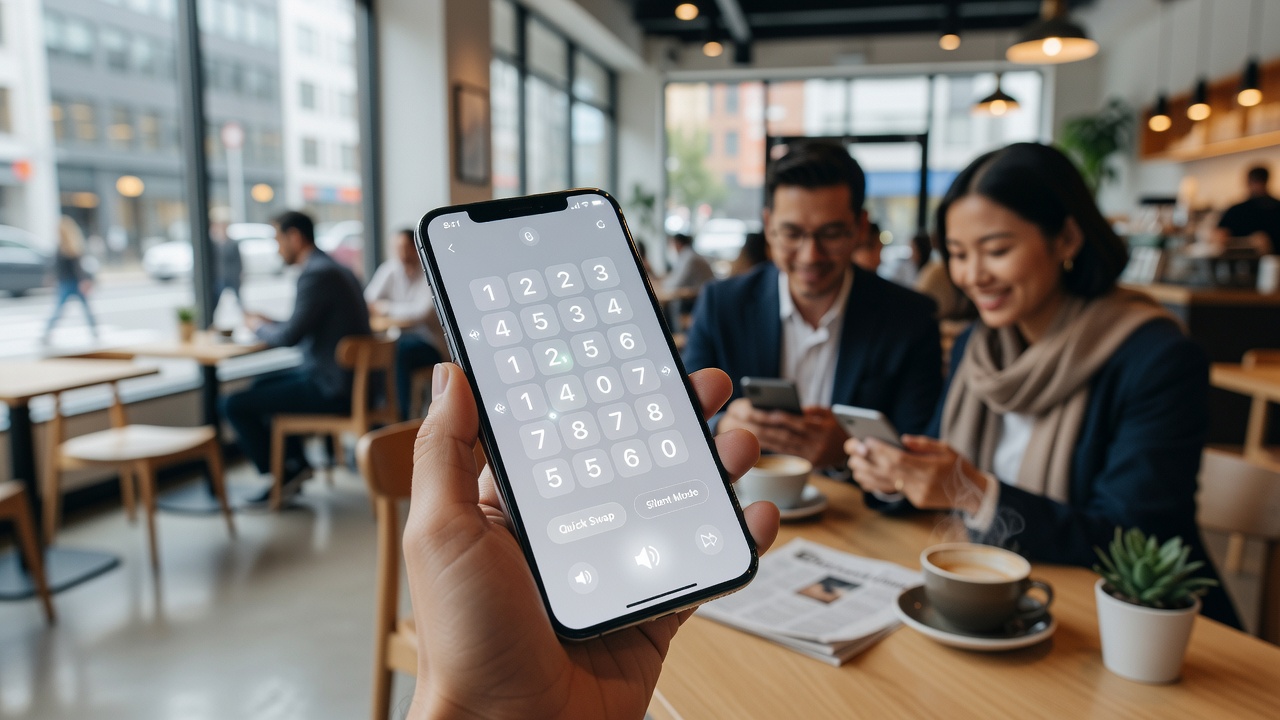
Design adjustments in mobile number game applications continue to influence how participants communicate during live sessions, and these modifications often operate through incremental updates to chat windows, notification flows, and input methods. Observers note that such changes accumulate over time and alter the rhythm of player interactions without drawing direct attention. As of August 2026, several platforms report measurable shifts in message volume and response timing following targeted refinements to their mobile layouts.
Notification Layer Adjustments and Message Timing
Developers have refined push notification hierarchies so that incoming chat alerts receive lower priority than game state updates, which leads participants to respond during specific windows rather than immediately. Industry data from the North American Association of State and Provincial Lotteries shows that apps employing staggered alert sequences record a 17 percent increase in threaded conversations that span multiple rounds. Those who study usage logs find that players cluster replies around bonus triggers or number calls, creating denser exchanges within short bursts.
Color coding within notification badges further directs attention, and applications that apply muted tones for social messages versus bright indicators for wins see reduced interruption rates during active play. Research conducted by the Mobile Experience Laboratory at the University of Queensland indicates that these visual cues encourage users to defer casual chat until between rounds, which in turn lengthens the average thread length while shortening individual message frequency.
Gesture Controls and Input Flow
Swipe-based quick replies and drag-to-send mechanics have replaced traditional keyboard entry in several applications, and these modifications compress the time required to contribute short comments. Players who adopt the gestures complete exchanges more rapidly, yet the brevity of the input method reduces elaboration within messages. Figures released by the European Interactive Gaming Association reveal that platforms integrating gesture shortcuts experience a 22 percent rise in emoji-only responses during peak evening hours.
Voice-to-text integration within chat panels offers another layer of change, and users who activate it produce longer sentences on average than those relying solely on on-screen keyboards. The same association data notes that voice input correlates with higher rates of strategy sharing when players discuss number patterns or room dynamics. Observers note that the feature remains optional, which preserves choice while quietly expanding the range of conversational styles present in any given session.

Threaded Layouts and Conversation Persistence
Reordering of message history into collapsible threads has altered how groups maintain context across extended play periods. Instead of linear scrolling through every entry, participants now expand relevant branches only when needed, and this structure supports parallel discussions without visual overload. Reports compiled by the Asia-Pacific Gaming Research Consortium document that threaded interfaces correlate with a 14 percent uptick in multi-player exchanges that reference earlier rounds or shared outcomes.
Persistent chat logs accessible after sessions end further extend interaction windows, and users return to review previous exchanges at rates 31 percent higher than in apps lacking this archive function. Those who examine retention metrics observe that the ability to revisit conversations encourages repeat logins, particularly among cohorts who coordinate around recurring number patterns or promotional events.
Emoji Sets and Tone Indicators
Expanded emoji libraries tailored to number game terminology allow players to signal reactions without lengthy text, and standardized sets reduce misinterpretation across different regions. Data collected through platform analytics indicate that games offering context-specific emoji packs record fewer clarification requests within chat streams. The same analytics show that tone indicators such as reaction buttons attached to individual messages increase acknowledgment rates while decreasing follow-up queries.
These elements integrate directly into the flow of play, and they operate alongside core mechanics rather than as separate social layers. Consequently, exchanges remain tied to the pace of number draws while still accommodating quick social signals.
Conclusion
Interface refinements continue to modify the texture of player exchanges in on-the-go number games through adjustments to notifications, gestures, threading, and symbolic input. Data from multiple regional sources demonstrate consistent patterns in response timing, message length, and conversation persistence following these updates. As platforms release further iterations, the cumulative effect on social dynamics within these environments remains measurable through ongoing usage studies and engagement reports.