19 May 2026
Examining How Secure Transaction Pathways Shape Long-Term Participation Trends in Virtual Number Games
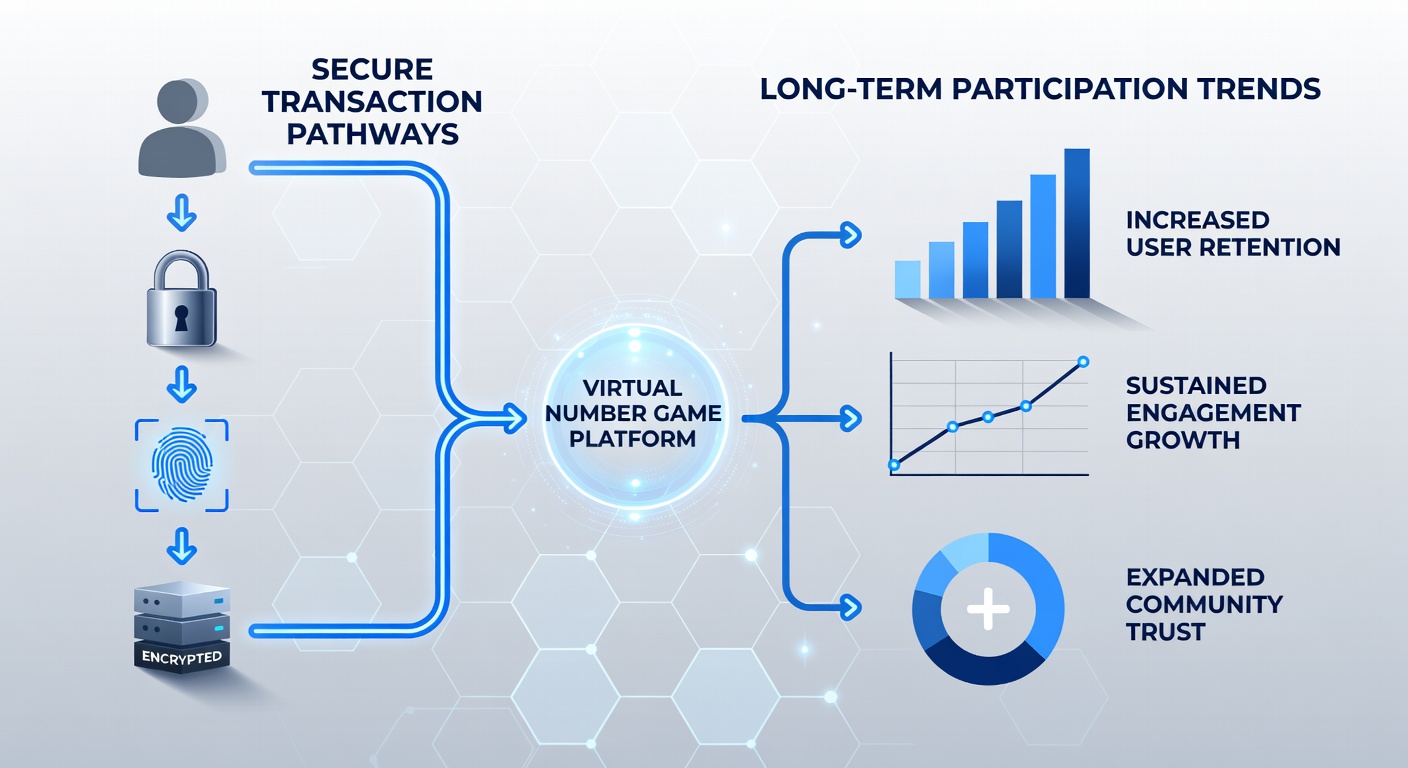
Virtual number games continue to draw sustained player bases when payment systems deliver consistent reliability and protection. Secure transaction pathways encompass encrypted channels, verified payment processors, multi-factor authentication layers, and real-time fraud monitoring that together reduce friction during deposits and withdrawals. Observers note that platforms maintaining these standards often record higher retention rates over multiple quarters compared with less protected environments. Data from industry tracking services shows gradual increases in repeat logins when users encounter fewer declined transactions or security alerts during routine play sessions.
Core Components of Secure Payment Infrastructure
Encryption protocols such as TLS 1.3 combined with tokenization keep card details and account numbers shielded from interception. Compliance with standards like PCI DSS requires regular audits that verify how operators store and process financial information. Multi-currency support and instant bank transfers further streamline entry points for participants across different regions. Researchers at academic institutions tracking online gaming patterns have documented that these layered safeguards correlate with extended account lifespans, particularly among users who return weekly rather than sporadically.
Retention Patterns Linked to Transaction Speed and Certainty
Players frequently abandon accounts after repeated delays in fund movement or unexplained holds on winnings. In contrast, sites offering same-day payouts through verified e-wallets demonstrate stronger month-over-month activity levels. A study covering North American markets revealed that average session frequency rose noticeably once withdrawal processing times dropped below 24 hours for most verified users. Similar patterns appear in European data sets where regulatory emphasis on consumer protection has pushed operators toward faster, more transparent reconciliation processes.
But here's the thing: security extends beyond speed alone. When platforms integrate biometric login options alongside transaction monitoring, account takeovers decline sharply. This stability encourages longer-term engagement because participants feel their accumulated balances remain protected across multiple devices and locations.
Demographic Shifts and Geographic Variations
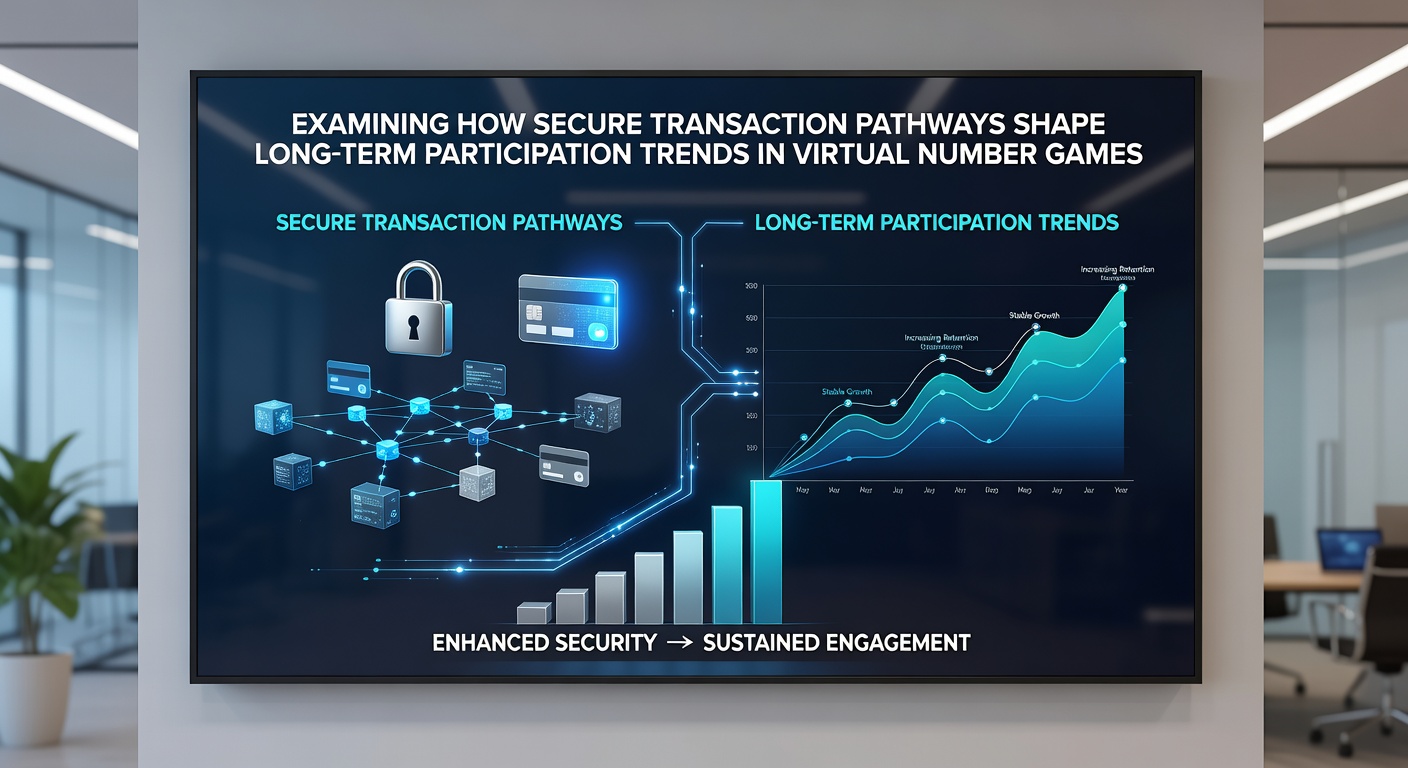
Younger cohorts tend to prioritize seamless mobile payments and digital wallets, while older demographics often favor established bank transfers with clear audit trails. Platforms that accommodate both preferences without compromising verification steps see broader age-range participation persisting into 2026. Figures released in May 2026 from cross-border gaming analytics indicate that regions with mature digital banking regulations experienced steadier growth in active virtual number game accounts than areas still developing equivalent safeguards.
Observers tracking Australian markets point to similar outcomes following updates in consumer protection guidelines. Those who've examined participation curves note that clear communication about transaction security measures reduces hesitation among first-time depositors, converting more trial users into regular participants within three to six months.
Regulatory Influences on Payment Trust
Agencies outside the UK framework, such as those operating in Canada and the European Union, have introduced stricter requirements around payment transparency. According to American Gaming Association reports, operators investing in certified payment gateways report lower chargeback rates and sustained player loyalty metrics. European data compiled by the European Gaming and Betting Association shows comparable trends where standardized security certifications correlate wth reduced player churn during economic fluctuations.
Yet security alone does not guarantee engagement spikes. Educational prompts that explain how funds move safely between accounts help users understand the protections in place. When such explanations accompany each transaction step, confusion decreases and return visits increase over subsequent weeks.
Long-Term Trend Indicators and Measurement Approaches
Longitudinal studies track metrics including average account tenure, deposit frequency, and lifetime value per user. These indicators rise when transaction pathways incorporate automated verification that flags suspicious activity without halting legitimate play. Platforms adopting machine-learning models for real-time risk assessment have recorded measurable improvements in these areas since early 2025 rollouts. Analysts examining May 2026 snapshots observe that operators updating their security stacks more frequently maintain steadier participation curves amid shifting player expectations.
Take one operator who introduced mandatory two-factor confirmation for withdrawals above a set threshold. Participation among mid-tier spenders remained consistent rather than declining after the change, suggesting that added steps can enhance perceived safety when clearly communicated. Similar adjustments across multiple sites reinforce the pattern that robust pathways support enduring involvement rather than one-off sessions.
Conclusion
Secure transaction pathways continue to influence how long individuals remain active in virtual number games. Platforms that combine encryption, rapid processing, and clear user guidance demonstrate stronger retention across varied demographics and regulatory landscapes. Ongoing monitoring of these systems, informed by regional data sets and compliance frameworks, provides the clearest picture of participation trends moving forward.