28 Jul 2026
Diverse Payment Routes Shape Social Interactions in Mobile Bingo Apps
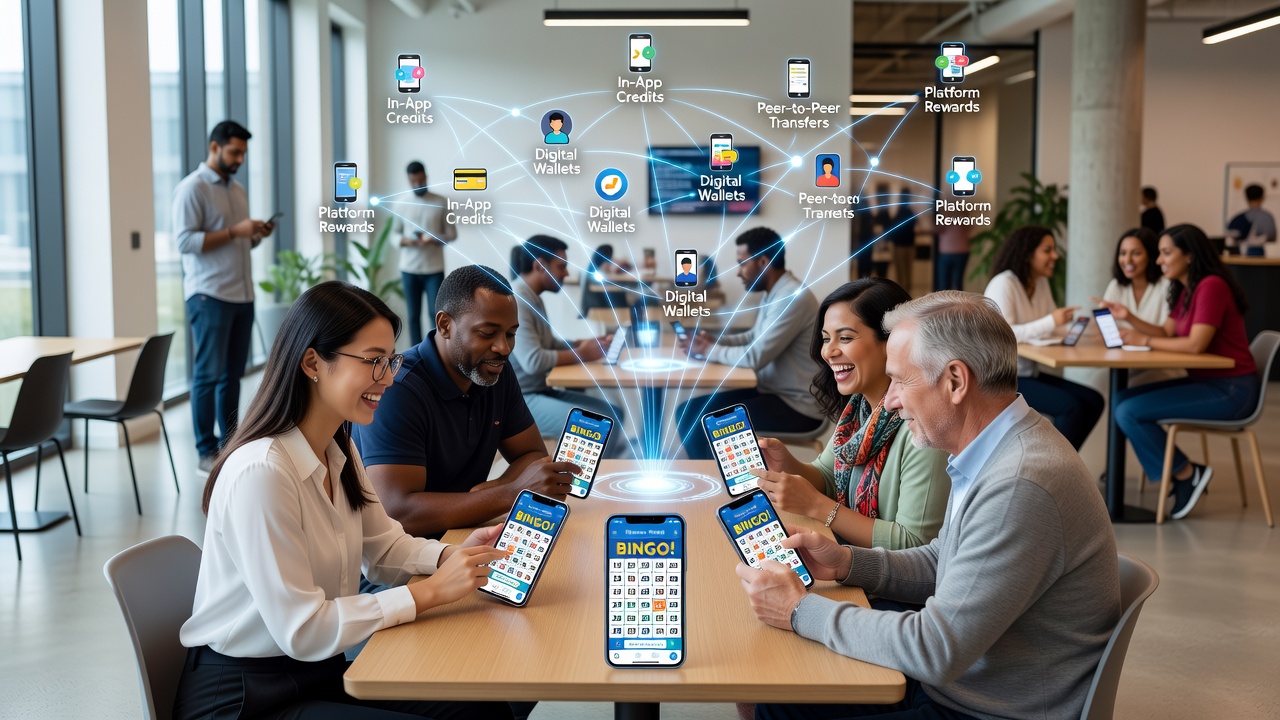
Data from industry reports in July 2026 shows that smartphone-based bingo platforms now support an expanding range of transaction pathways, and these options correlate with measurable shifts in how players form groups and exchange messages within app environments.
Payment Method Categories and Their Reach
Players access bingo sessions through credit and debit card entries, digital wallet transfers, direct bank links, and prepaid vouchers, while each method processes at different speeds and with varying visibility to other users. Research indicates that instant wallet completions allow participants to join ongoing rooms without delay, whereas bank transfer confirmations often require users to coordinate timing with friends who share the same processing window. Studies from the New Jersey Division of Gaming Enforcement reveal that platforms offering three or more pathways experience higher session overlap among users who select the same method repeatedly.
Instant Options and Spontaneous Chat Patterns
Fast transaction pathways connect directly to live chat features, and this linkage produces brief, high-frequency exchanges during number calls. Observers note that players using digital wallets frequently reference their deposit timing in messages, which prompts others to share similar details and creates clusters around shared payment experiences. Those who complete entries within seconds of room opening tend to occupy the same virtual tables across multiple sessions, according to aggregated usage logs from major operators. This pattern repeats because the speed of entry aligns with the pace of conversation, allowing quick responders to build recognition through repeated proximity.
Subscription Models and Sustained Group Formation
Recurring payment setups, such as monthly bundles or auto-renew cards, encourage longer participation cycles, and data shows these users maintain consistent room presence that supports deeper strategy discussions. One analysis of app activity in early 2026 found that subscription holders formed private chat subgroups at rates twice that of single-session payers. The steady commitment creates a baseline of familiarity, so participants exchange contact preferences and schedule joint entries weeks ahead. Researchers at academic institutions tracking mobile gaming behavior documented that these groups develop internal norms around payout sharing and room selection that single-transaction users rarely replicate.
Regional Payment Preferences and Cross-Border Dynamics
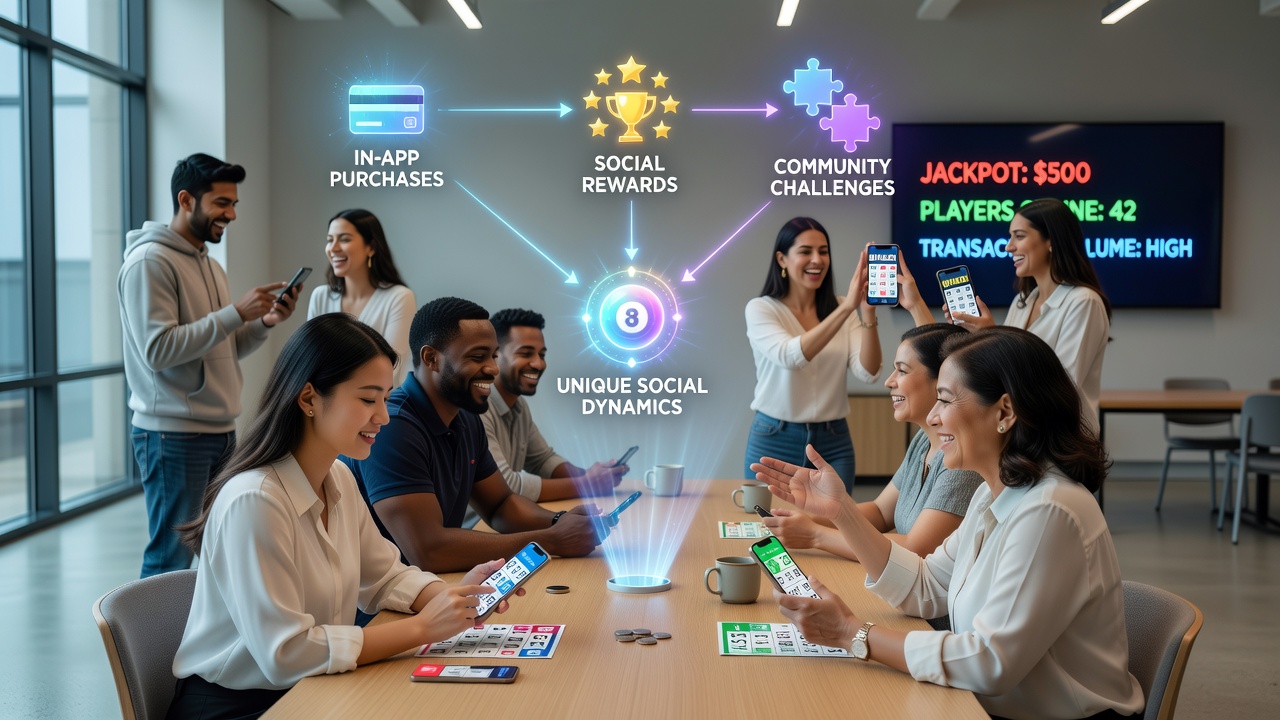
Geographic differences in favored pathways add another layer, since users in regions with strong bank transfer adoption interact differently than those relying on card networks. Reports from the Australian Communications and Media Authority indicate that platforms serving multiple countries see mixed-method rooms where conversation topics shift toward currency conversion and timing adjustments. Players who navigate these variations often become informal guides, explaining processing steps to newcomers and strengthening ties across time zones. This knowledge exchange happens most visibly when a delayed pathway causes someone to miss an early game start, prompting others to recount similar past instances.
Security Features and Trust Building
Transaction pathways that include visible confirmation steps or two-factor elements appear linked to elevated trust signals in player profiles. Evidence suggests users who complete verified entries receive more direct messages from others seeking room recommendations. The shared experience of navigating security checks gives participants common ground, and this commonality surfaces in chat threads that reference specific verification screens or error resolutions. Over time, these references evolve into shorthand that new entrants must learn, reinforcing the boundary of established circles.
Conclusion
Transaction pathway variety in smartphone bingo continues to align with distinct social structures, from rapid-entry chat clusters to subscription-based subgroups. Figures released in July 2026 confirm that platforms expanding payment choices also record increased cross-method interactions when users share experiences about processing differences. These patterns emerge consistently across regions and device types, showing that the mechanics of entry shape not only access but also the ongoing conversational fabric of digital bingo communities.