2 Aug 2026
Deposit Methods That Ignite Spontaneous Interactions in Mobile Number Draw Platforms
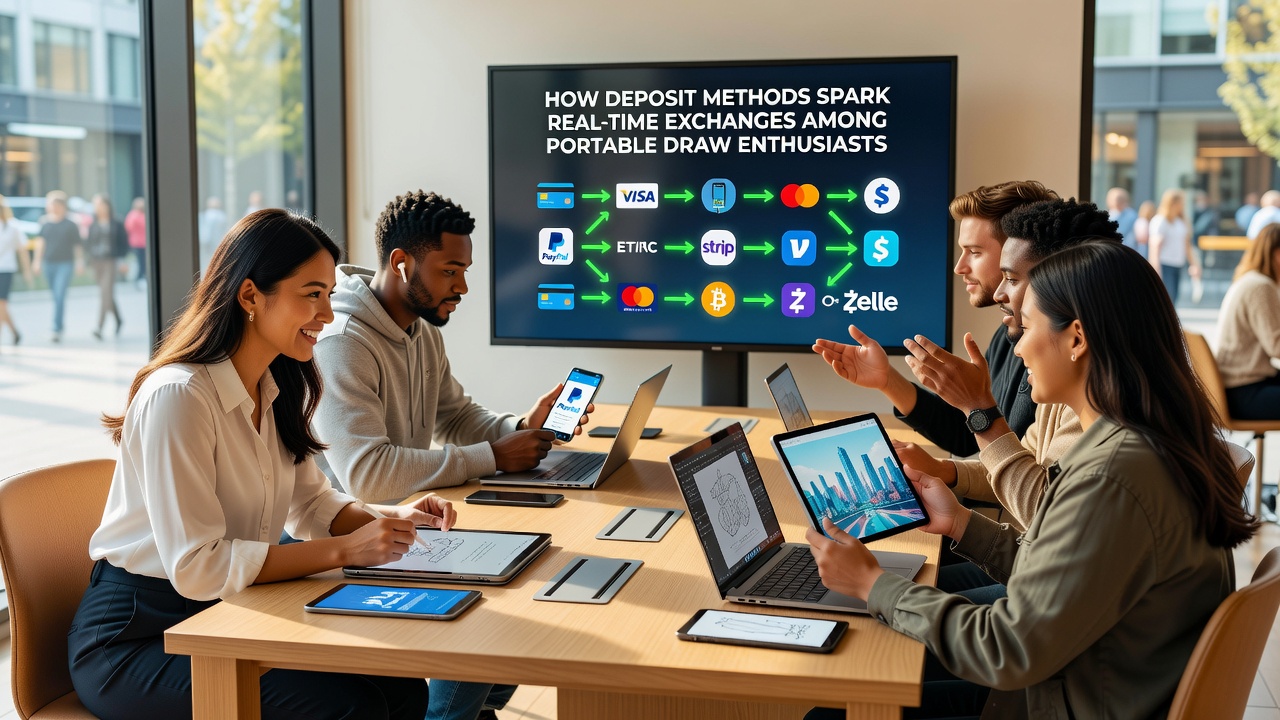
Payment systems in app-based number draw communities have evolved to support immediate funding, and this shift connects directly to increased real-time exchanges among participants. Players using portable devices complete transactions through e-wallets, instant bank transfers, and digital payment services, then enter games without delay. Those quick transitions create opportunities for live messaging, shared predictions, and coordinated play that unfold while sessions remain active.
Instant Funding Pathways and Their Role in Live Sessions
Applications designed for portable draw enthusiasts integrate deposit options that process in seconds rather than minutes. E-wallet services linked to mobile accounts allow users to move funds while a game countdown continues, and participants often follow up by posting messages in group chats about their entry status. Data from industry reports shows that platforms offering sub-10-second confirmations record higher volumes of in-game comments compared with slower processing methods. Observers note that players who deposit during ongoing rounds frequently reference their funding choice when inviting others to join the same room.
Bank transfer integrations that rely on open banking protocols also contribute to this pattern. Users authorize payments through secure app prompts, receive confirmation, and immediately switch to chat functions. Research from the Canadian Gaming Association indicates that mobile draw platforms using these protocols experience a measurable uptick in concurrent user messages during peak evening hours. The connection appears straightforward: faster access to active games leads to more spontaneous exchanges about number selections and bonus claims.
Regional Payment Preferences and Exchange Patterns
Different regions favor distinct deposit methods, and these preferences shape interaction styles. In Australia, players commonly rely on POLi and similar instant bank services, while European users lean toward e-wallets such as Skrill or Neteller. A study published by the University of Nevada Reno Gaming Research Center found that participants using region-specific instant methods reported entering conversations about game timing more frequently than those relying on card payments. The research tracked chat volume across several platforms and linked higher message density to the moment deposits cleared.
August 2026 brought further attention to these trends as multiple mobile operators updated their payment interfaces. Updates included one-tap authorization flows and in-app balance displays that update without page reloads. Players responded by extending their sessions, and chat logs from that period showed increased references to deposit confirmations alongside strategy tips. Industry organizations tracking user behavior noted that these interface changes coincided with longer average conversation threads per active room.
Security Features That Support Ongoing Dialogue
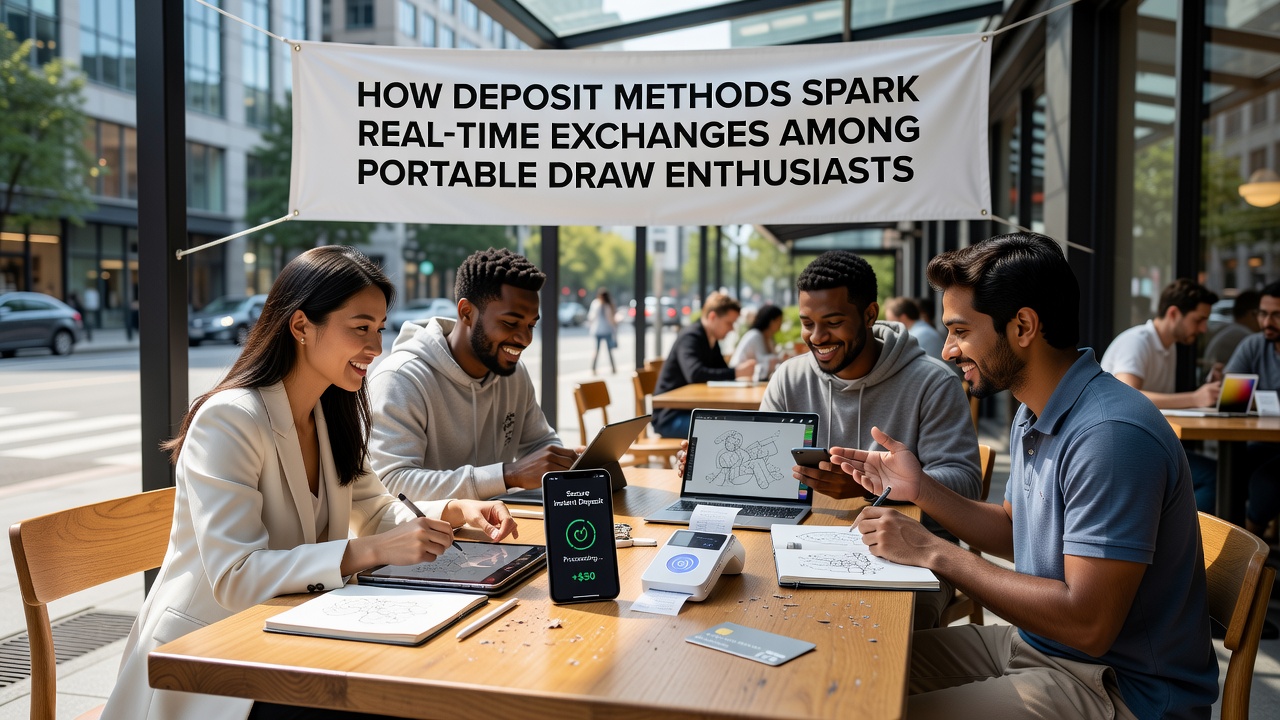
Secure transaction pathways play a supporting role by reducing interruptions. Two-factor authentication embedded directly in payment apps allows users to confirm deposits without leaving the draw platform. When verification completes quickly, participants return to the chat window and continue threads they started moments earlier. The European Gaming and Betting Association has documented cases where streamlined security steps correlate with sustained multi-player discussions during progressive jackpot rounds.
Some platforms now display deposit status indicators inside the chat interface itself. Users see a brief notification when another participant funds their account and joins, which prompts immediate welcomes or questions about chosen game variants. This visibility turns routine transactions into conversation starters rather than separate tasks that pull attention away from the group.
Future Developments in Payment-Linked Engagement
Emerging payment technologies continue to influence interaction rates. Token-based systems and digital currency options that settle near-instantly are under testing in several jurisdictions. Early figures from operators adopting these methods reveal elevated message counts during the first minutes after a player enters a room following a deposit. Those who've studied user behavior across multiple markets point to the same underlying mechanism: reduced friction between funding and participation translates into more frequent and extended exchanges.
Conclusion
Deposit methods that prioritize speed and integration have become central to the way portable draw enthusiasts communicate in real time. The technical ability to fund accounts without exiting active sessions supports the flow of messages, shared observations, and coordinated play that define these communities. Continued refinement of payment pathways suggests that real-time exchanges will remain closely tied to how quickly and securely participants can join ongoing games.